The last verses in the book of the prophet Habakkuk have been called "The Great Yet": "Though the fig tree may not blossom, nor fruit be on the vines; though the labor of the olive may fail, and the fields yield no food; yet I will rejoice in the Lord."
The fig tree, the field, and the empty stable speak of hunger and the insecurity of the coming day. Habakkuk completes the inventory of losses. After naming everything that has been lost, he utters: "yet."
The fields remain barren. The shortages persist. Yet, the loss ceases to encompass his entire life.
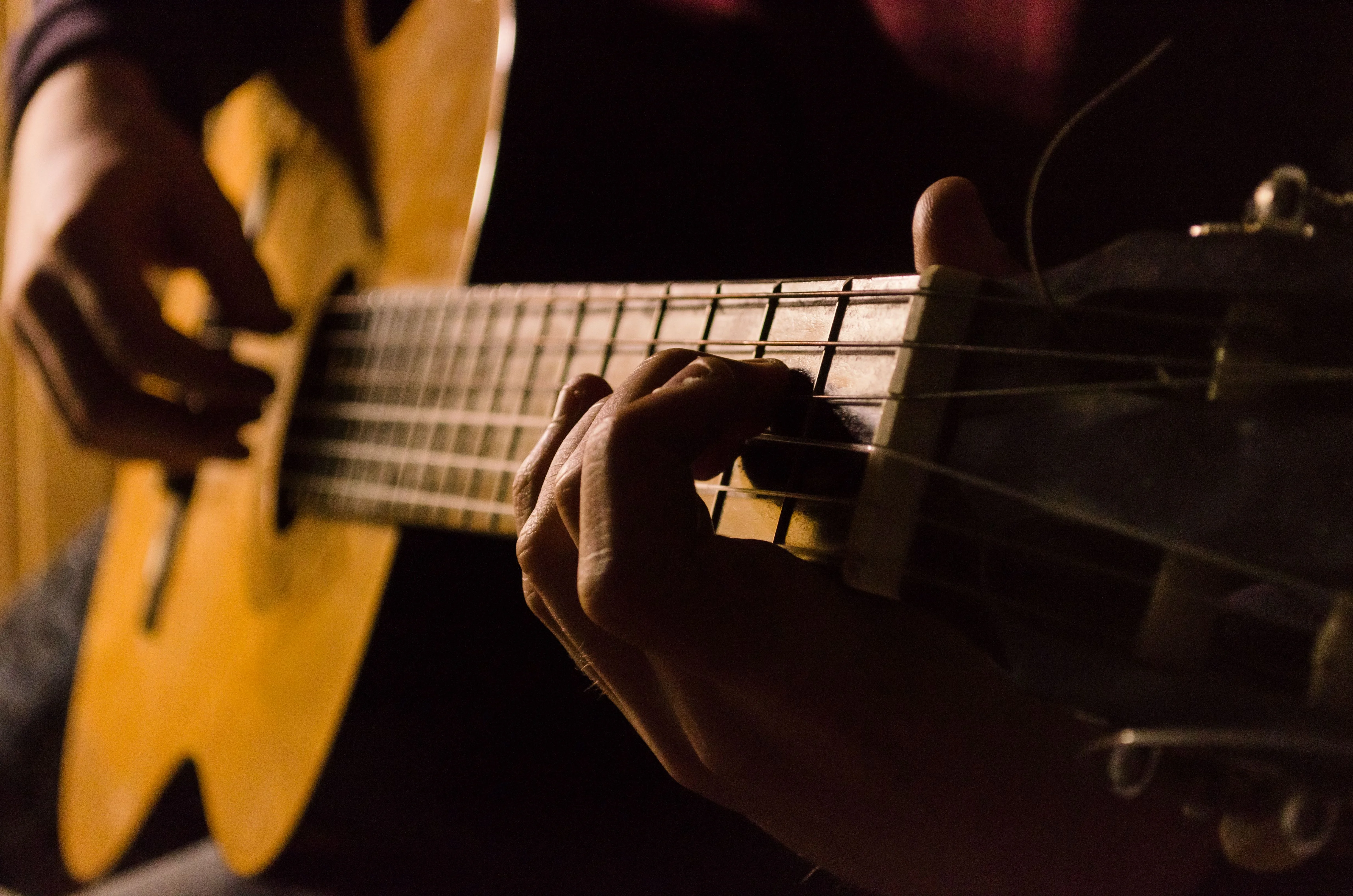
I remembered these verses when I thought of a classical guitar recital I attended a few years ago.
Between two pieces, the performer told us that, during his previous visit, someone had stolen his guitar before the concert. The artist found another instrument, went on stage, and played. He recounted the incident with simplicity, without seeking the audience's pity and without placing the theft at the center of the evening.
The story amazed me. Today, displeasure almost immediately demands a stage. A minor offense can occupy an entire day. Irritation quickly seeks witnesses and ends up burdening those around.
His departure would have seemed natural. He remained in front of the people who came to listen and played for them.
The prophet sees everything that has been lost, and from the midst of loss, he answers God.
The musician looks at what was taken from him and remains attentive to the people in the hall.
Circumstances can hurt us, disrupt our plans, and take away precious things. The power to decide what we will give further remains ours.
Habakkuk rejoices because God remains when support disappears. In the absence of fruits, he discovers that not everything can be lost.
The guitarist's answer was the concert. Someone had taken his instrument, but he refused to let the theft also take the music, the encounter, the joy of those gathered in the hall.
The prophet says "yet"; the musician plays it.
A word that can become a prayer in moments when the past can no longer be rectified:
Lord, these are the things I have lost. This is the world I must live in. Help me, however, to keep alive within me what can become a gift.
Fr. Ioan Gînscă
Photo by Naum Vynohradov / pexels.com