I was born and grew up in the last decade of Romanian communism, under a dictatorial regime. For years, I saw above the classroom blackboard the portrait of the much-loved leader and the country's coat of arms, whose symbols I had learned to describe in the most poetic terms. In second grade, when I became a pioneer, I swore allegiance to the homeland around the flag, in a history museum, a history mystified and transmitted in fragments. I was taken by the school along the main boulevard to greet the country's enlightened son, the wise helmsman, with applause. I marched on the stadium, in front of a platoon of soldiers, with a real rifle in my 9-year-old girl's hands, during a ceremony whose significance I have forgotten. What remained in my memory were the weight of the rifle, the benevolent smiles of the soldiers, my pride that I had managed not to fall or stumble, and the disgust in my mother's voice when I got home: “A child should have been given a teddy bear or flowers to hold.”
In my early school years, I learned about the map of our country, a map like a bouquet of flowers, elegantly embraced, like a ribbon, by the Romanian river, the Danube. I learned that I was born at the best possible time, in a country that had reached the peak of its development, a country unlike any other, with resource-rich mountains, a perfect sea, fertile fields, high hills with proud flowers, clear and cool springs... To whom did we owe all this good fortune? How did I happen to hit exactly the right time and place? A whole series of incredible, heroic historical events ‒ man's evolution to the bipedal stage, proud Dacians united with Romans, courageous princes, communist workers and peasants in proud traditional clothes had united their destinies and shed their blood to achieve perfection: a just people, who never waged aggressive wars against other peoples, with a language sweet as honey, with the best food, the most beautiful folk songs, the most beautiful women. A people who, once every five years, dressed in festive attire, freely but wisely chose their leader, a wise, visionary, loving leader. All had built a country with factories and plants, with fertile fields, and I, a tiny human, was learning to become a daughter of my nation, responsible and respectful.
„We are children, from now on we will be
Full of wonder, full of love!
With our eyes we follow you
We know already what you lay out for us on our path:
Countless flowers and palaces
So that we may have gold and bread tomorrow
You are heroes
But one day, us too...
We in the year 2000,
When we will no longer be children,
We will do what we once saw
All the bold dreams
Into deeds we will transform them:
We will be skilled craftsmen
To make you happy
You, the parents you will be
In your second youth in 2000.
We are children but we will know how
To make the country like spring
And tomorrow it will grow young again
We will succeed because we are your children
Following your advice
We will make life
Long and wonderful
And then heroes
We too will become...
We in the year 2000,
When we will no longer be children,
We will do what we once saw
All the bold dreams
Into deeds we will transform them:
We will be skilled craftsmen
To make you happy
You, the parents you will be
In your second youth in 2000”.
Laura-Ioana
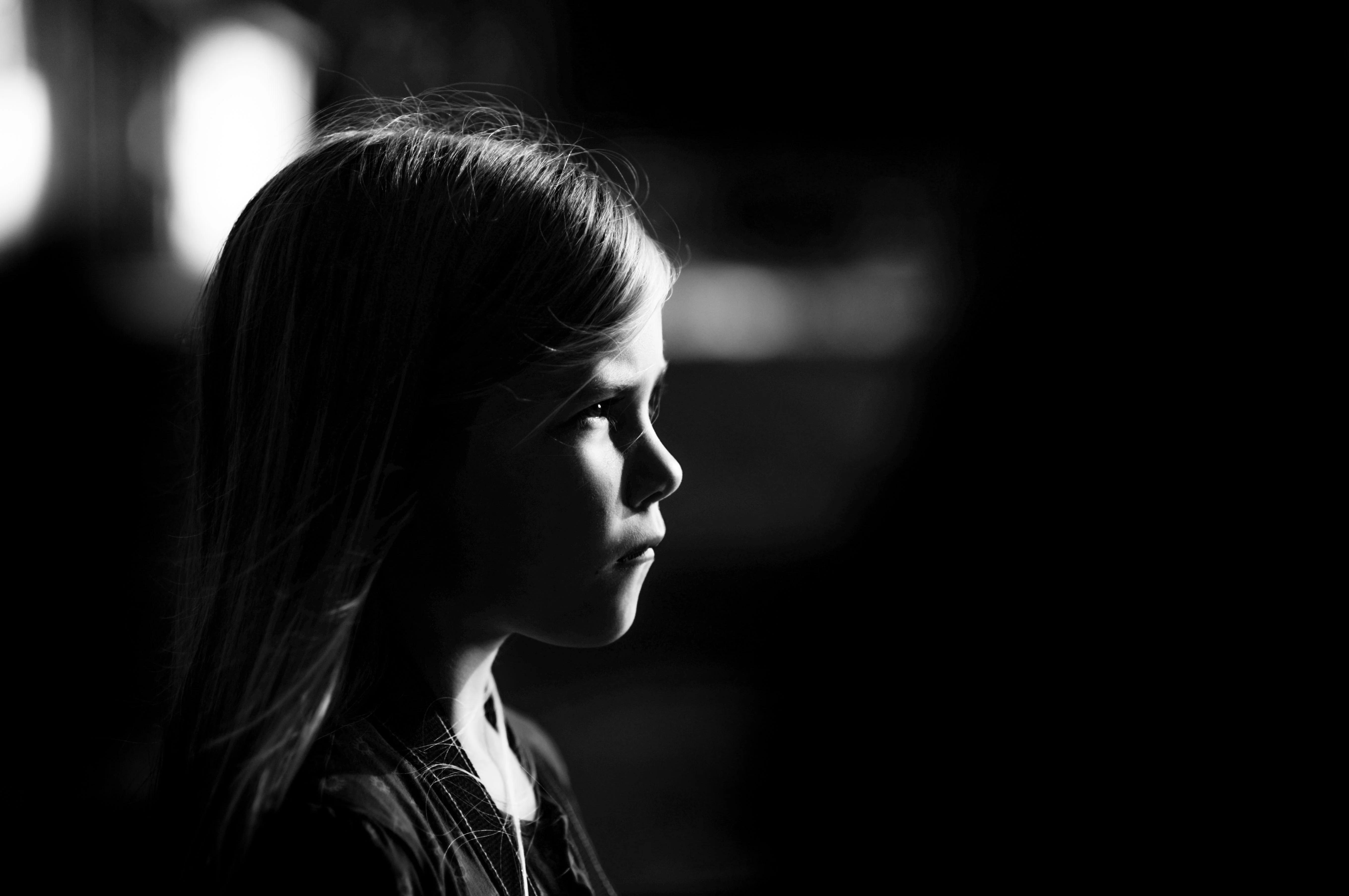
Photograph by ClickerHappy / pexels.com