
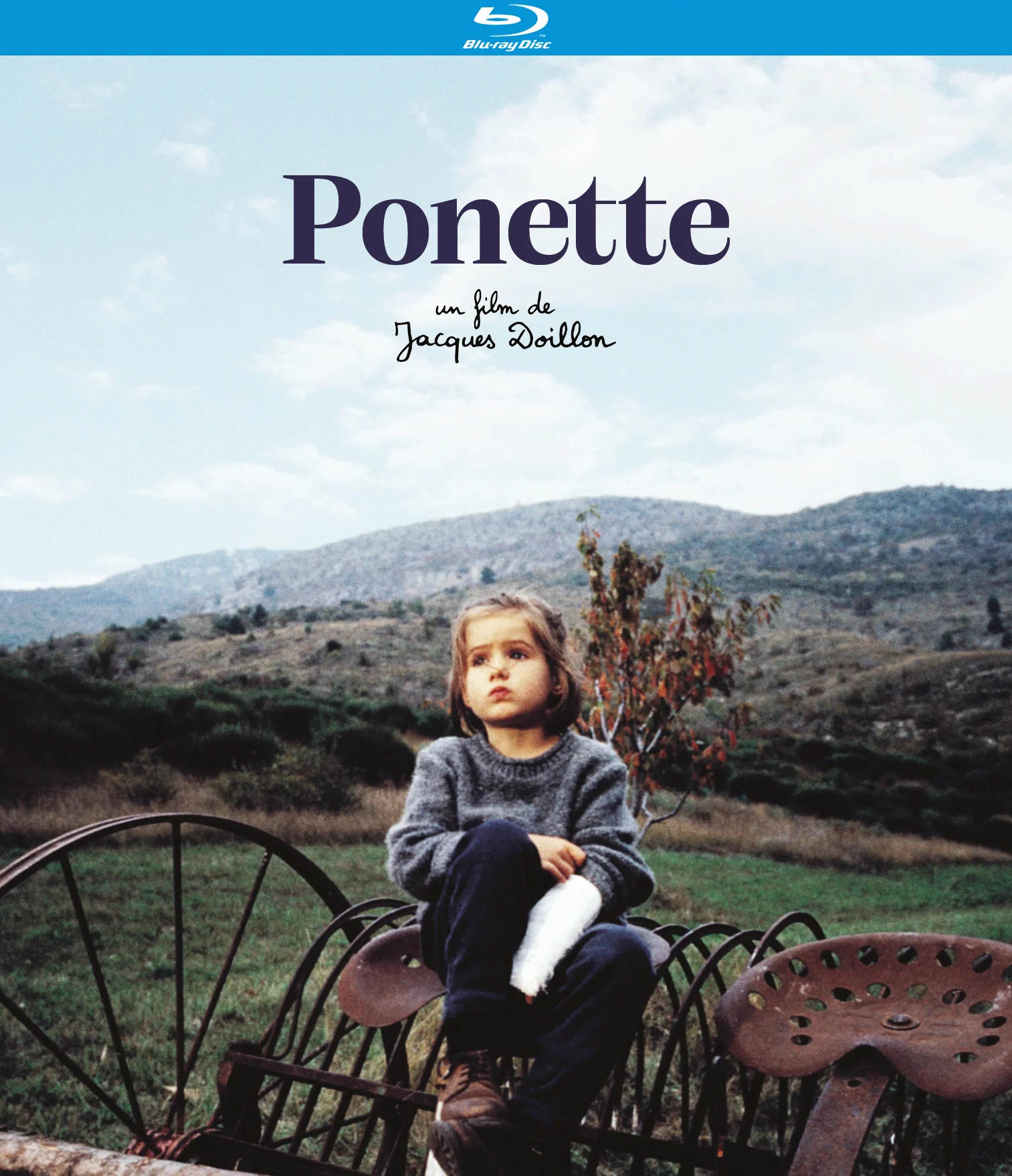
„Oh, mother, sweet mother/ from the mists of time/ on the rustle of leaves/ you call me to you…” (M. Eminescu)
A film about childhood and more. About the fact that we should remain children our entire lives to have access to the unseen. And that suffering here can sometimes be softened by divine mercy. About how you become God's child through faith, meaning unconditional trust in Christ and in the fulfillment of His promises.
It was February 1999. It was the birthday of my birth mother, who had died 43 years prior. Again, the sadness of not having known her haunted me. I had only been told she was beautiful and kind, just that! To have no memory of your mother, not even stories about her, how painful! When I was about 8-9 years old, I took down a photographic portrait of my mother from the wall, which tormented me with the memory of an absence, of a being so dearly wished for! No one ever put it back since then. So, that evening, to forget this haunting, I mechanically sat in front of the television, apathetically watching whatever was about to be broadcast. And then the opening credits of a film appeared. It was a French film, which I would later find out was an art film, Ponette. A film starring children, with very few adult characters.
A little girl's mother dies in an accident, and she doesn't understand her mother's absence or what actually happened. She feels the absence as a betrayal, but doesn't believe it could be true and cannot come to terms with it. How could a child grasp what death is? An adult tries to soothe her suffering by talking to her about Christ and His Resurrection. The little one then deduces that her mother can also be resurrected and begins to do everything she believes could lead to her mother's return.
First, she prepares to wait, thoroughly. With her small backpack on, day after day she sits in a spot in the garden, in the shade of a tree (who knows what stories her mother had told her there), then, at the boarding home, she undergoes trials that would grant her the status of a child of God, meaning one whose wishes God cannot refuse! Her persistence is supported by her child friends, who encourage her. And the miracle happens! (It is truly a miracle that a director from France, secularized for centuries, could conceive such an ending to this story, which for me is profoundly moving and far from conventional). To the little girl, on the verge of abandoning her trust in God, her mother appears, scolding her, but also comforting her and leaving her, as a sign of her true presence (ab aevo, as M. Vulcănescu interpreted it!) and not as a phantom, a red sweater, a sign of her eternal love and care, from beyond the abysses of separation. Not, however, before warning her that she would never come again and that she must continue her life.
Although I cried for about two hours, I marvelled at the work of divine providence, awake and eager to comfort us. The words addressed to Ponette at the end by her mother, I received as a real message from my mother that evening, delivered on celluloid instead of in a dream. "Enjoy life!" she told her, even if she also warned her that she would not return, that from now on she would be gone from her life for a long time. "Rejoice," my mother also told me, "learn to rejoice, even if you haven't known how to do it until now!"
If for an outside observer such stories seem saccharine or conventional, for those who have lived through such things, they acquire the profound force of an immanent reality. It was clear to me that Someone up there was watching me with great understanding.
A.B.